
How to Grow Bean Sprouts Without Growing Mold Instead
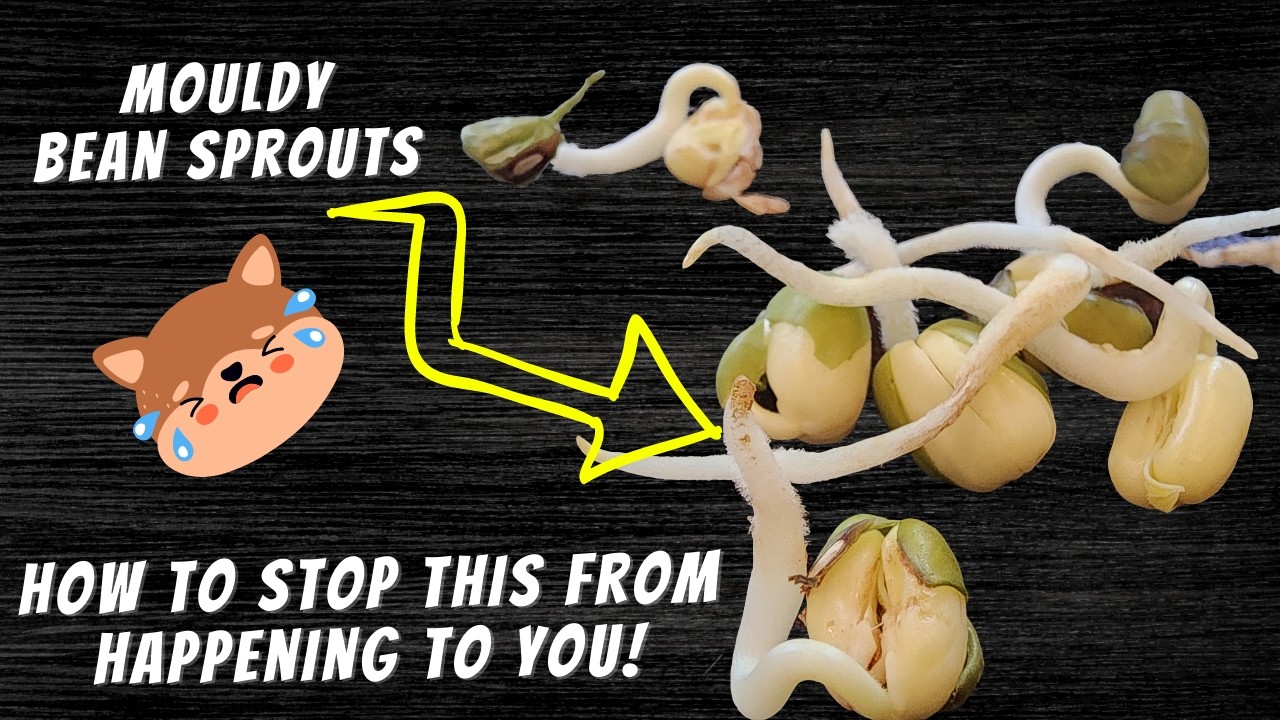
If you want to grow bean sprouts at home, there is one mistake that can ruin the whole batch fast. I know because I made it myself.
I had two trays of mung bean sprouts going side by side. Same room, same few days, same bag of beans. One tray turned out perfect. Crisp, fresh-smelling, white shoots. The other tray became a full-blown science experiment with black fuzzy mold, sour smell, and browning shoots.
That kind of side-by-side failure is actually useful, because it makes the real problem obvious. The issue was not the beans. It was not bad luck. It was not that sprouting is hard. The difference came down to one thing:
balance.
To grow bean sprouts successfully, you need moisture for germination, but you also need airflow for healthy growth. I thought I was helping by giving the sprouts extra warmth and constant humidity. What I actually built was a mold incubator.
What went wrong in my sprouting setup
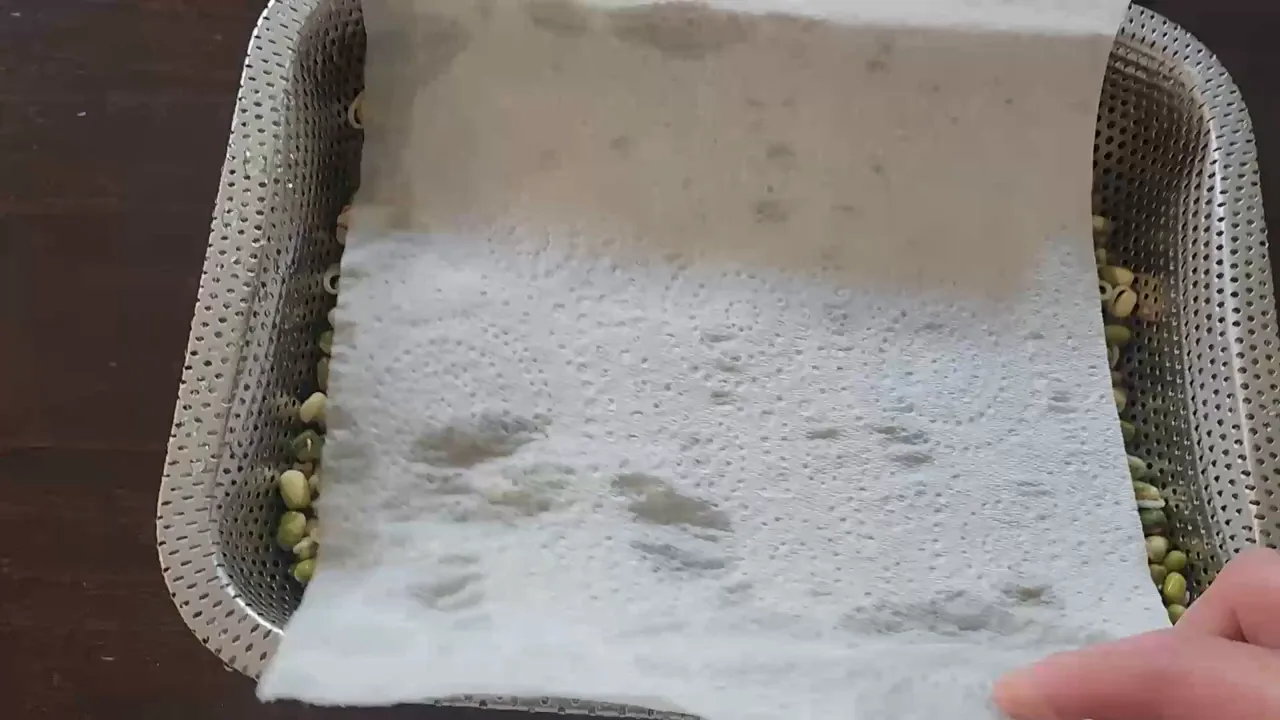
The tray itself was a pretty standard setup. I used a hydroponic tray with a colander insert sitting inside a solid metal base. That part was fine.
The trouble came from three choices:
I put a heating pad underneath the tray.
I covered the top with a damp, heavy tea towel.
I kept that towel wet because I thought constant humidity would help.
On paper, it sounded like good plant care. Warmth, moisture, protection. But sprouts are not asking for a tropical swamp.
When you grow bean sprouts, overdoing the care can be worse than underdoing it. More heat, more water, and more covering do not automatically mean better growth. With sprouts, too much of all three can suffocate the batch.
The simple science I ignored
Sprouting beans are alive and active. Once they wake up, they are respiring. That means they are using oxygen and producing carbon dioxide and a little warmth.
So even before I added any help, the beans were already creating their own humid microclimate.
Then I added a heat pad underneath the tray, which pushed the temperature up even more. On top of that, I sealed the whole thing under a wet cloth. That trapped moisture, trapped warmth, and trapped the air the beans were giving off.
The result was stagnant, warm, humid air with almost no movement.
That is not an ideal environment to grow bean sprouts. It is a five-star resort for mold spores, which are already floating around in the air and just waiting for the right conditions.
Why the other tray succeeded
The successful tray was almost identical except for two important differences:
No heating pad